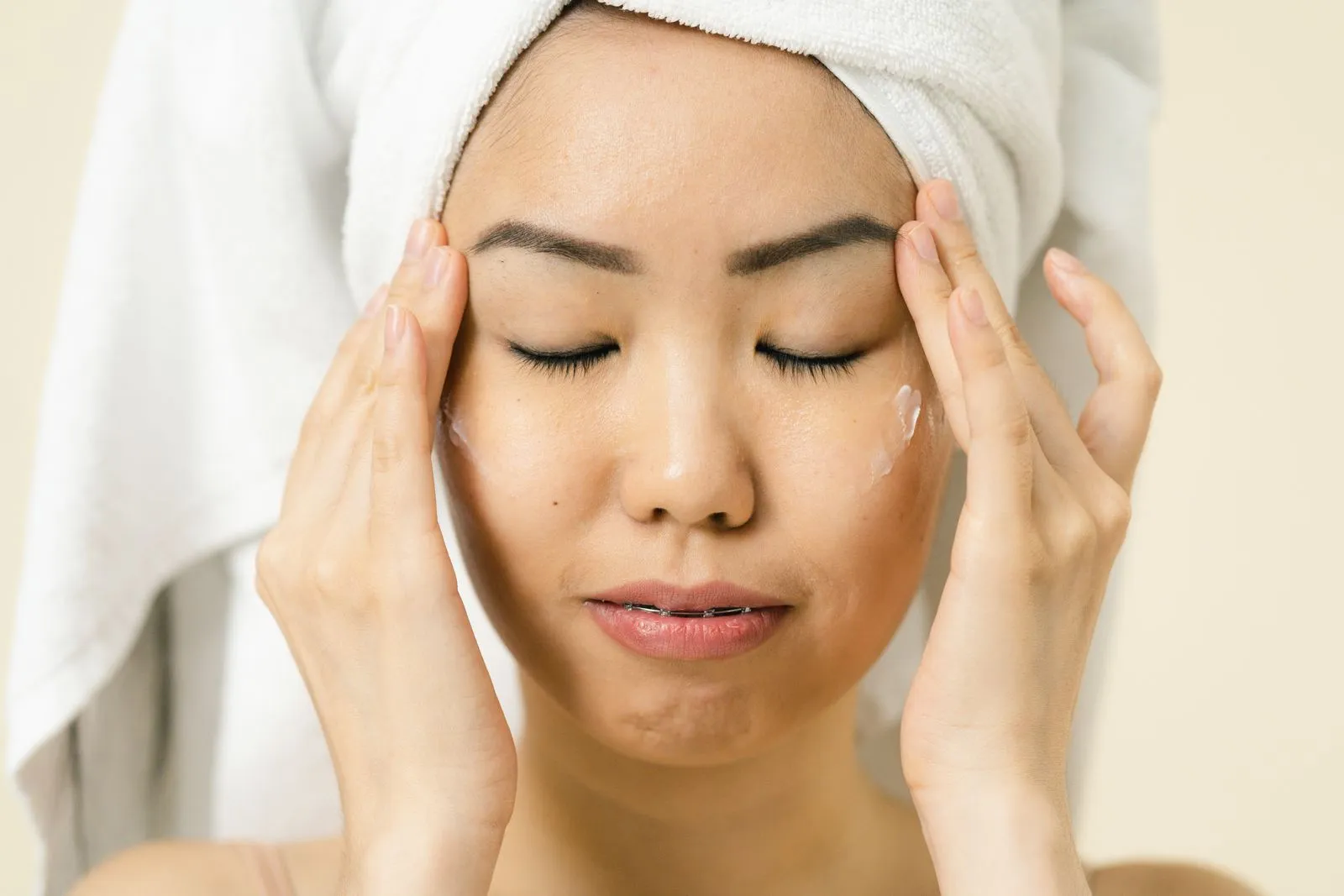
The right facial depends on what your skin needs and how it responds to products and treatments. A classic facial may suit routine care, while options such as exfoliating, hydrating, or acne-focused treatments address more specific concerns. Before booking, consider your goals, sensitivities, and any active skin conditions. Knowing what each treatment typically involves helps you have a useful conversation with your esthetician and choose an option that feels appropriate—not just popular.
Start With Your Skin Goals
Identify the main result you want before comparing menus. Your priorities might include relieving dryness, supporting a clearer-looking complexion, improving the appearance of dullness, or simply making time for routine skin care. Pick one or two goals rather than expecting a single appointment to address every concern. This gives your esthetician a clearer starting point and helps you judge whether a treatment fits your needs.
Consider how your skin feels day to day, not only how it looks. Note recurring tightness, oiliness, sensitivity, or breakouts, and think about when these symptoms occur. Bring a list of current products and mention recent changes to your routine. If a concern is persistent, painful, or worsening, seek advice from a qualified medical professional; a spa facial is not a substitute for diagnosis or medical care.
Compare Common Facial Types
A classic or customized facial often includes cleansing, a skin assessment, exfoliation, and moisturizing products selected for your needs. It can be a practical choice if you are new to facials or want a general refresh. Hydrating facials focus on adding moisture and may suit skin that feels dry or tight. Ask which products and steps are included, since treatment names and methods can vary between spas.
Exfoliating facials use methods such as enzymes, acids, or physical exfoliants to lift surface buildup. Acne-focused treatments may include targeted products and, depending on the provider, extractions. These options are not right for everyone: strong exfoliation or extractions can irritate sensitive or inflamed skin. Ask about intensity, possible redness, and aftercare before choosing, especially if you have a special event soon.
Factor In Sensitivity and Routine
Tell your esthetician about allergies, skin conditions, past reactions, and products or medications that affect your skin. Mention retinoids, exfoliating acids, prescription treatments, and recent procedures. Do not stop prescribed medication on your own; ask the prescribing clinician whether a facial or particular ingredients are suitable. A provider can adjust a treatment, avoid certain products, or recommend postponing it when your skin needs time to recover.
If you have reactive skin, ask whether the spa can use a simpler routine and skip fragrance, abrasive exfoliation, or extractions. Find out whether a patch test is appropriate and what to expect afterward. Even gentle treatments may cause temporary redness or sensitivity. Follow the provider’s aftercare instructions, and avoid adding several new products at once so you can tell how your skin responds.
Ask Before You Book
Ask what the facial is designed to address, who performs it, and what the appointment involves from start to finish. Check whether the provider will tailor products to your skin and whether extractions or exfoliation are optional. You can also ask about likely downtime, aftercare, and whether the treatment is a good fit for your current routine. Clear answers help you make an informed choice without relying on a treatment name alone.
Choose a treatment based on your needs, comfort level, and the provider’s recommendations—not on pressure to add services. If you are unsure, start with a consultation or a less intensive customized facial. At Stillwater Spa in Raleigh, you can discuss your goals and skin history before selecting a service. A thoughtful conversation helps set realistic expectations and makes it easier to plan follow-up care.
A good facial choice starts with a clear goal, an honest account of your skin’s history, and questions about the treatment and aftercare. When in doubt, choose a gentler option and ask a qualified provider to help you decide. Consider booking a consultation to discuss which facial may suit your skin.